
Clean drinking water is a basic workplace need, but the way businesses provide it deserves more attention. Water quality, dispenser cleanliness, equipment capacity, ongoing maintenance, and bottle storage can all affect the experience employees and guests have each day.
August is National Water Quality Month, making it a good time for HR professionals and facility managers to review their current drinking water setup. Is the water filtered? Does the dispenser meet daily demand? Who replaces filters or schedules deliveries? How much plastic and storage does the current system require?
A bottleless water and ice system can address these concerns through one connected office water filtration system. By filtering water at the point of use, these systems provide a dependable source of drinking water without the deliveries, heavy jugs, and storage requirements associated with traditional bottled service.
Start by Understanding Your Local Water
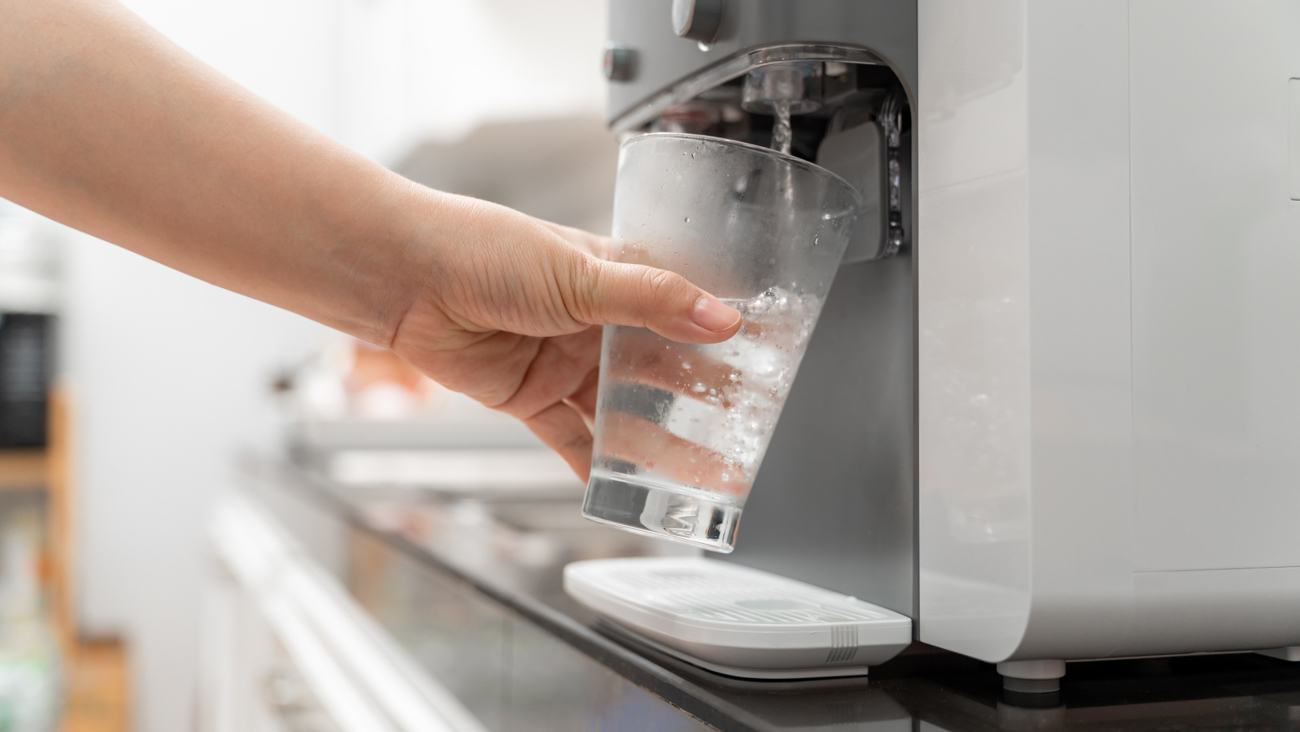
Water quality is not identical from one community to another. Water sources, treatment methods, infrastructure, and reported contaminants can vary by location. Understanding the water entering your building can help you ask better questions when comparing filtration options.
The Environmental Working Group Tap Water Database allows users to search by ZIP code and review reported information for local community water systems. This resource can serve as a starting point for learning more about local water and identifying topics to discuss with a workplace water provider.
The results should not be used to assume that every building has the same water quality or that one filtration method is right for every location. Instead, they can help facility teams consider the source water, building needs, and available filtration options before selecting a system.
What Makes a Bottleless Water System Different?
A bottleless water dispenser connects to an existing water line and filters water inside the unit before dispensing it. Because the system draws from the building’s water supply, employees do not have to wait for bottle deliveries or replace large water jugs throughout the day.
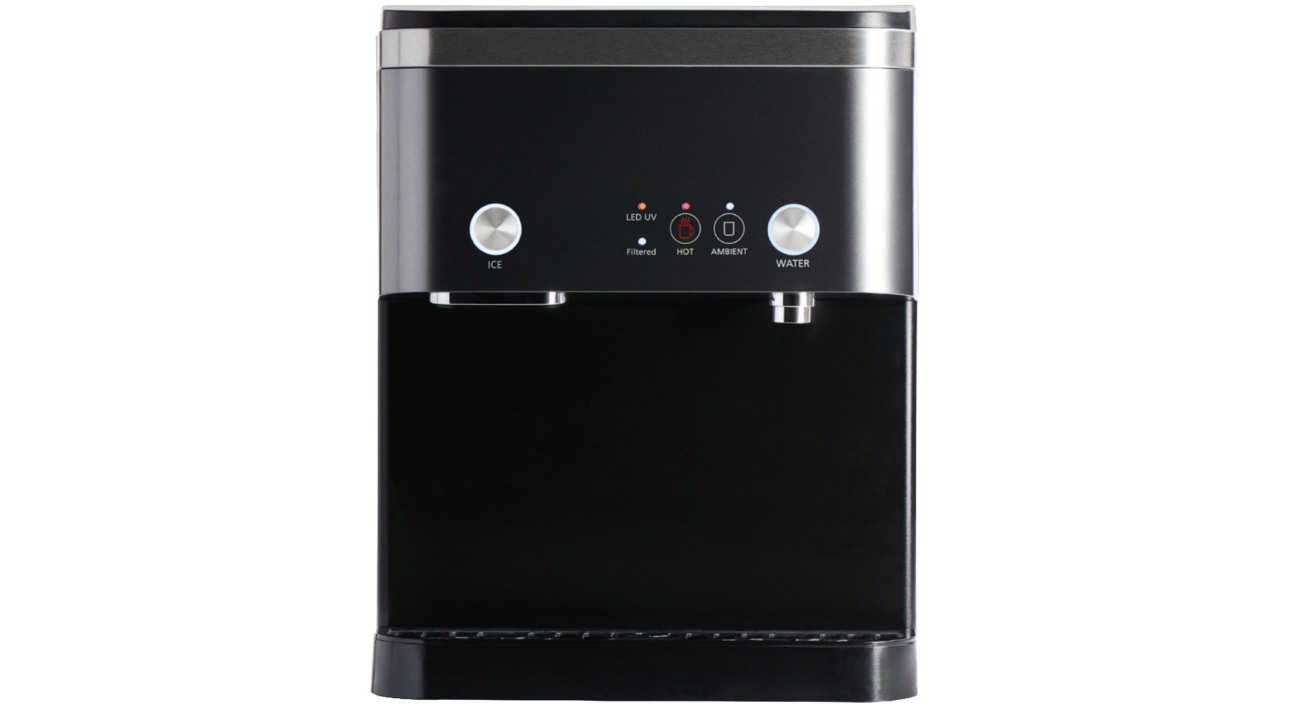
Depending on the selected model, workplace systems may offer:
- Reverse osmosis or microfiltration
- In tank LED UV technology
- Hot, cold, and room temperature water
- Sparkling water options
- Touch free dispensing or easy to clean controls
- Filtered chewable or nugget ice
- Higher capacity water and ice production
These features give businesses more control over how water is filtered, served, and maintained. They can also make it easier to choose equipment that matches the number of people using it and the demands of the facility.
The Role of Modern Filtration Technology
Filtration should be considered based on the incoming water and what the system is designed to reduce. Different technologies serve different purposes, which is why it is important to review the specifications of each unit rather than treating every filter as the same.
Reverse osmosis uses a membrane to reduce the range of dissolved substances in water. Microfiltration provides another option for facilities where reverse osmosis may not be necessary. Certain systems also include mineral add back to support taste after reverse osmosis treatment.
LED UV technology is available in select units to help maintain water quality within the dispenser. Some models place this technology inside the tank, while others use it near the dispensing point. Combined with regular filter replacement and equipment service, these features support a more consistent workplace drinking water experience.
Our bottleless office and commercial water dispensers include several filtration and dispensing options, allowing businesses to select equipment based on their water, space, and usage needs.
A More Sustainable Way to Provide Workplace Water
Workplace sustainability often comes down to practical changes that can be maintained over time. Replacing delivered water jugs or cases of individual bottles with a connected dispenser is one change that can reduce the amount of plastic moving through a facility.
A bottleless system can help reduce:
- Single use water bottles in breakrooms and meeting areas
- Large plastic jugs used for traditional dispenser service
- Delivery traffic associated with replacement bottles
- Storage space needed for full and empty containers
- Lifting and handling of heavy water jugs
Employees can refill reusable bottles and cups directly from the dispenser. For HR teams, this provides a visible workplace amenity that supports everyday employee needs. For facility managers, it removes inventory checks, bottle exchanges, and recurring delivery coordination from the list of routine tasks.
Why Water Quality Is Also a Facility Management Issue
Choosing a dispenser is only part of the decision. The equipment must fit the available space, connect properly to the building’s plumbing, keep up with demand, and receive regular service.
Before selecting a system, facility managers should consider:
- The number of employees and visitors who will use it
- Peak usage during breaks, meetings, or shift changes
- Access to a water line and, for reverse osmosis systems, a drain line
- Available floor or countertop space
- Preferred water temperatures and ice production
- Filter replacement and maintenance responsibilities
- Monthly cost and service coverage
A small office may need a compact hot and cold-water dispenser, while a healthcare facility, manufacturing building, or large shared workplace may require higher output. Our commercial ice and water dispensers include systems built for different levels of daily demand.
Businesses comparing bottleless water coolers in Fort Wayne should look beyond the appearance of the unit and consider filtration, capacity, maintenance, and ongoing support. The right equipment should fit both the building and the way employees use it each day.
Make Ongoing Service Part of the Plan
Even advanced equipment needs proper service. Filters must be replaced according to the system’s requirements, and the unit should be supported when maintenance or repairs are needed.
Our rental program combines the equipment, filter service, parts, labor, and customer support into one predictable monthly cost. If a unit requires service, loaner or replacement equipment is also available. This gives HR and facility teams one point of contact for equipment questions, maintenance, and support.
The result is a workplace water program that is easier to plan and manage. Rather than purchasing equipment and coordinating service separately, businesses receive the dispenser and ongoing support through the same provider.
Take a Closer Look at Your Workplace Water
National Water Quality Month is a useful reminder to ask what your employees and guests are drinking and how that water is being provided. A modern bottleless system can combine filtration, convenient dispensing options, lower bottle use, and regular service in one setup.
We provide bottleless water and ice systems for offices, healthcare facilities, industrial buildings, shared workspaces, and other commercial settings. Our team can review your facility, daily usage, water preferences, and installation requirements to help you select the right unit.
Request a quote today or explore our bottleless water and ice systems to find a cleaner, simpler way to provide workplace hydration.